
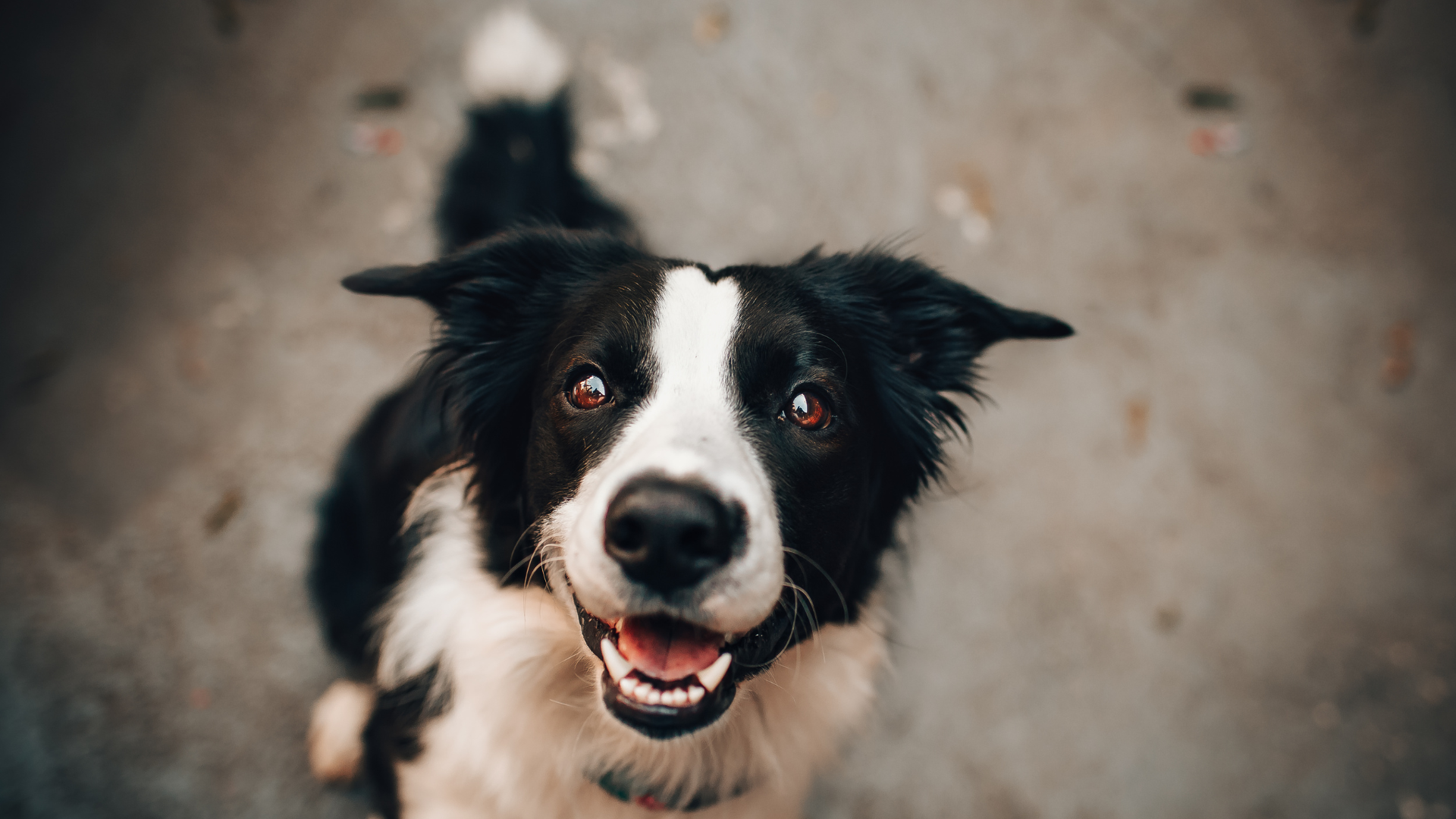

How sociable is your dog?
Are they confident and friendly? Shy and reserved?
Dogs have varying tolerances for social interactions in different situations and they also have social batteries that may run out – just like us.
Dog sociability runs on a scale (rather than a static label) where their tolerance and willingness to play changes as they age, and based on the environment, previous experiences or as they tire. Play styles can also change as new dogs participate in play, or if the dogs play uninterrupted for too long. Please read all the sociability types below to get a good understanding of how your dog’s needs might change over time (or during a play session).
"My dog is feeling friendly right now" vs "my dog is friendly"
Please note: Dog behaviour and social interactions are varied and complex - these are just examples of different ways your dog may prefer (or not) to interact with other dogs in our public spaces. We hope they offer a new way to consider your dog’s social preferences, and to highlight that dogs can live healthy, happy lives, whatever their sociability. If at any stage you are unsure about your dog’s sociability, we recommend you contact a qualified force free trainer.
You can find out more about matching your dog’s social needs with the right shared public space in our Canine Citizens blog.
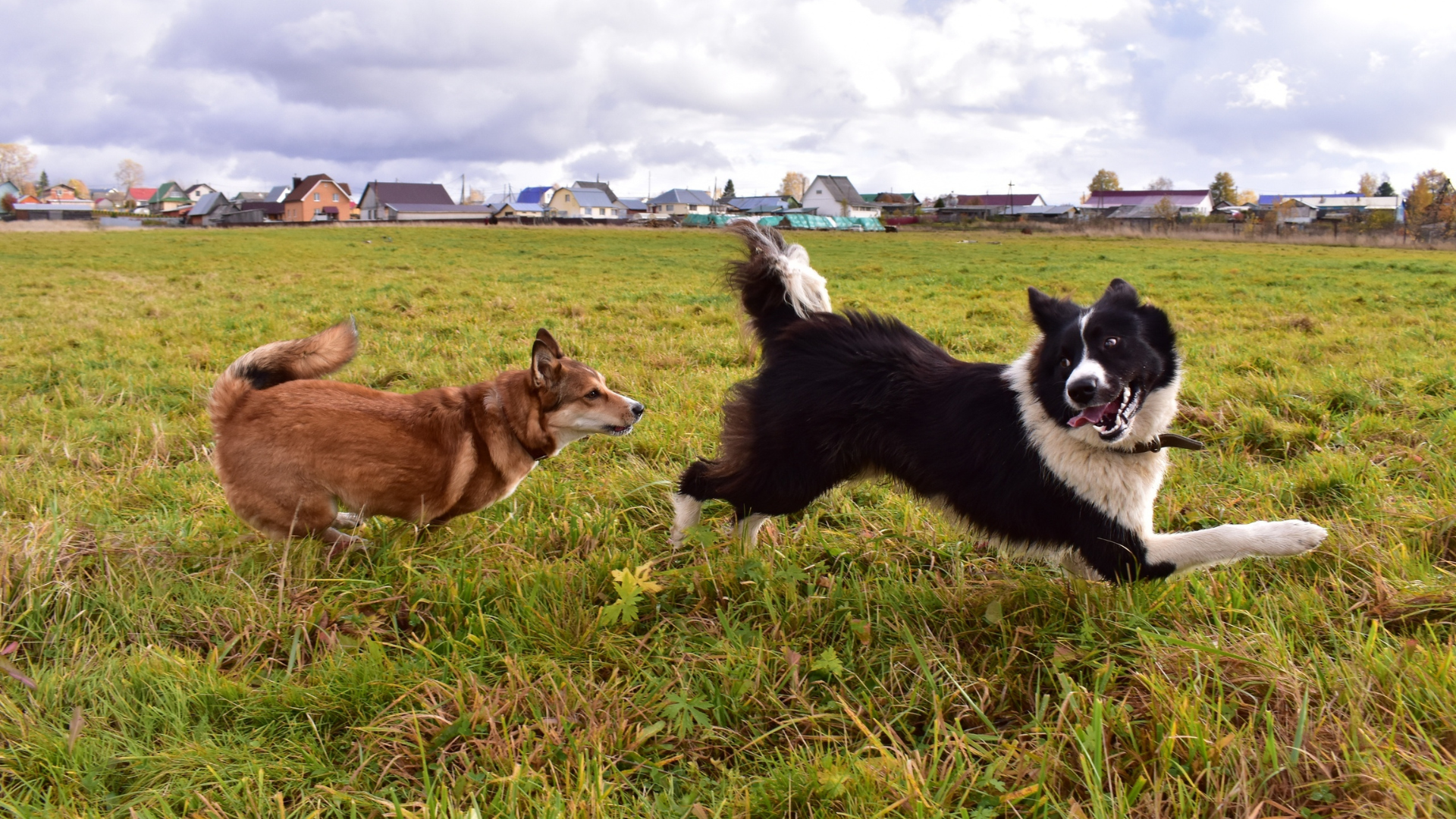
These dogs are confident, sociable dogs that get along with all ages, sizes and breeds of male and female dogs. Lots of puppies show highly social tendencies, but can actually become overwhelmed very quickly so it’s best to ensure any and all interactions are safe, calm, controlled and supervised.
Contrary to popular belief – highly social adult dogs are very rare. These dogs genuinely enjoy lots of different play styles and environments and can adjust their play style to suit the dogs they are playing with (e.g. go from chasing to wrestling, or lying down to interact with smaller or less confident dogs). They show happy, confident and relaxed body language around other dogs, and try to invite others to play with them.
Your dog may be highly social if they try to play with all other dogs, however if the other dog is showing they are scared or not interested and your dog keeps trying – your dog is being highly social, but also rude. Best to call them away and redirect them to a more confident playmate.
While these dogs do enjoy a good play with other dogs, it is equally important that exercise and enrichment routines include a chance to decompress from social situations with walks in new places where they can sniff and explore to their heart’s content.
These dogs are best suited to our dog parks, all on lead or off lead reserves and foreshore at any time.
Puppies under 6 months should not be taken to dog parks, foreshore or any space where the interactions with other dogs are not carefully managed and supervised to ensure they don’t have a negative experience.
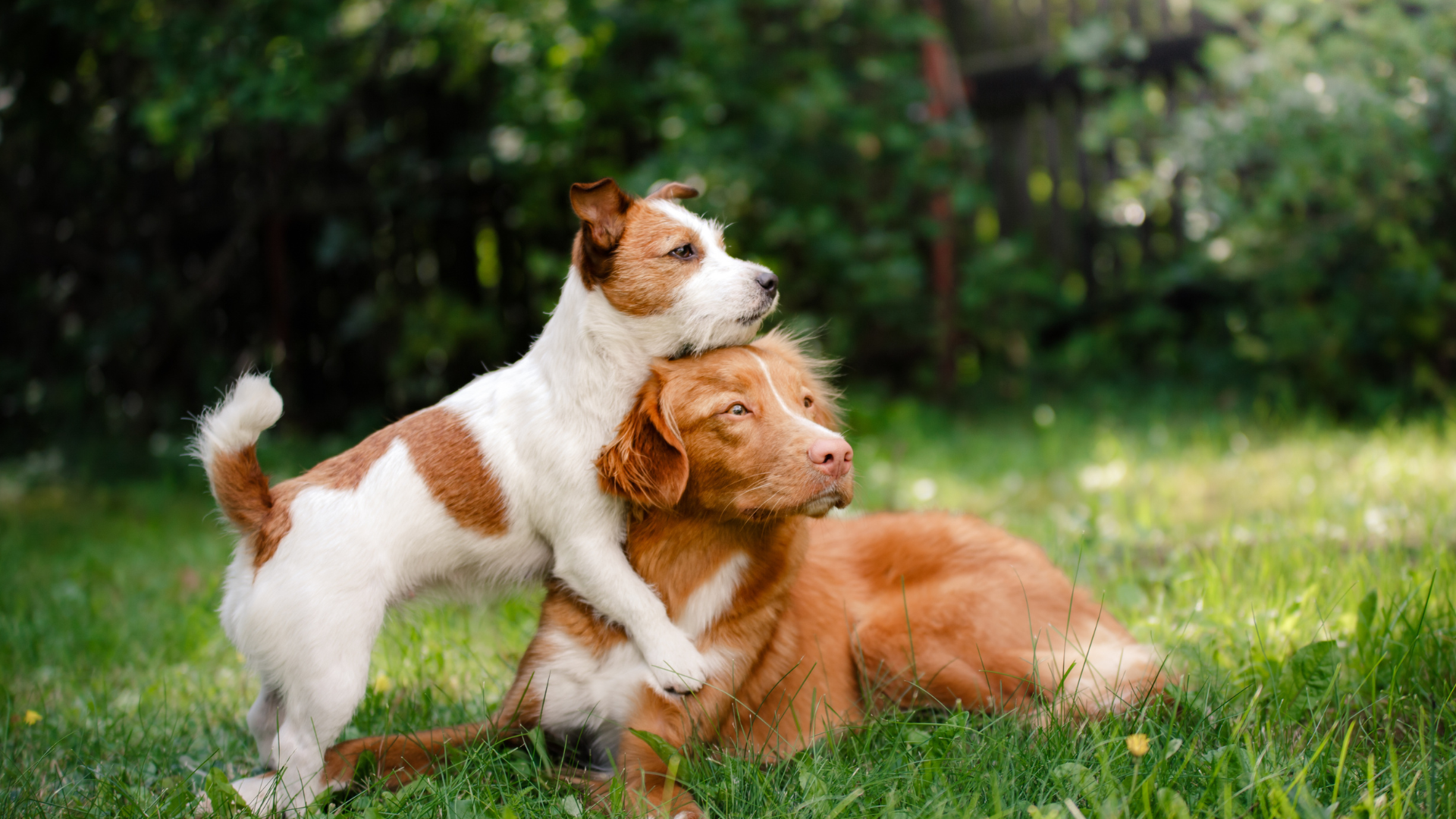
These dogs are generally sociable dogs that can tolerate lots of different types of play. They can be outgoing and confident in most situations, and are happy to approach most other dogs and people.
Socially tolerant dogs tend to tolerate (but not enjoy) over-friendly, rude or obnoxious behaviour from other dogs. However, they do have a threshold at which the play becomes too much, and their generally good natures should not be taken for granted by continuously placing them in situations where play escalates out of control.
These dogs are well suited to lots of different social situations in public spaces, and can thrive on and off lead if their parents are watching them closely. Exercise routines should also include ample time to decompress from social situations with walks in new places to encourage sniffing and exploration.
These dogs are best suited to quiet dog parks, our on lead walking trails like Coast Park and West Lakes, large off-lead reserves and the foreshore.
Puppies under 6 months should not be taken to dog parks, foreshore or any space where the interactions with other dogs are not carefully managed and supervised to ensure they don’t have a negative experience.
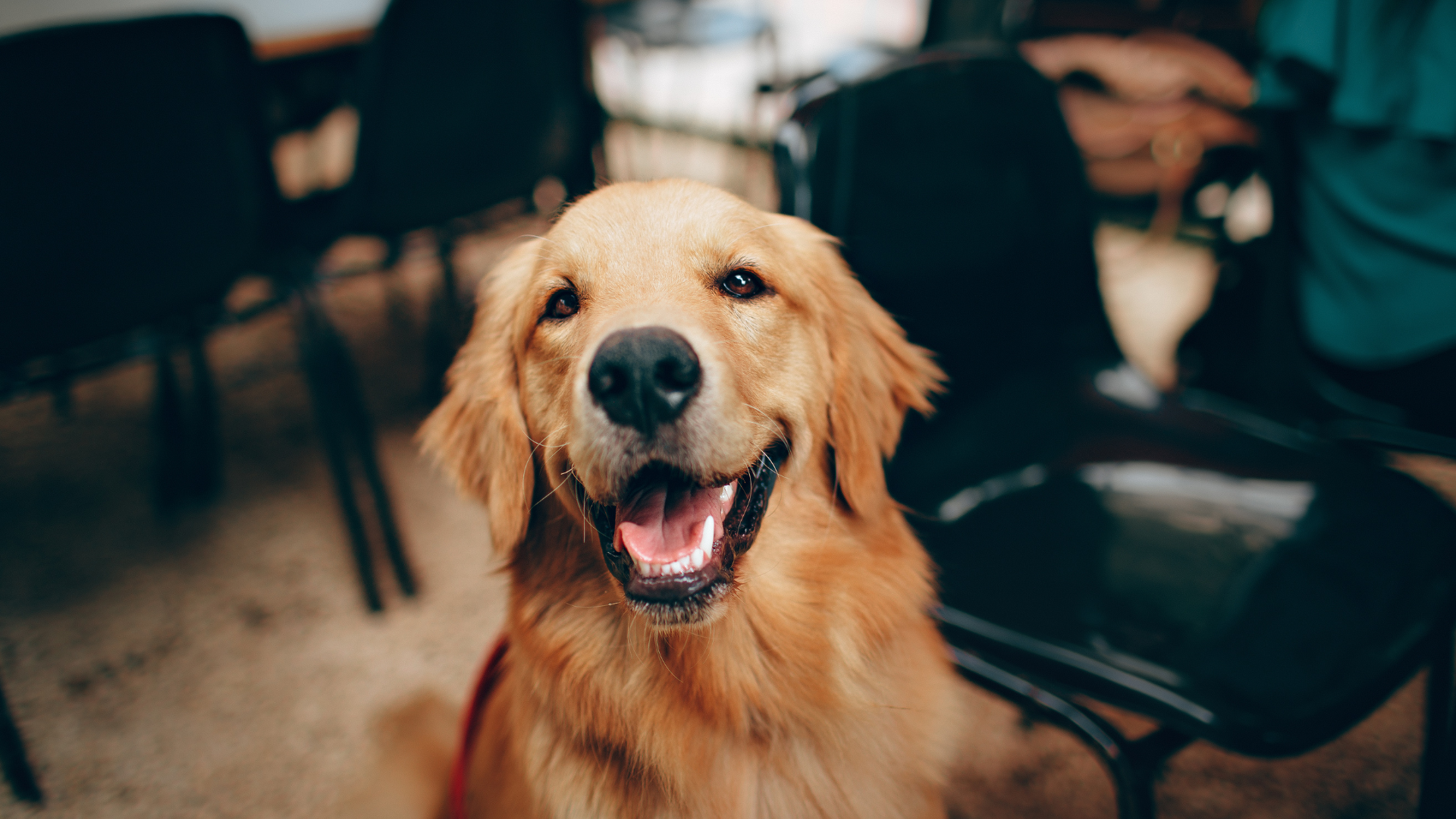
Selective dogs may be one of the most common types of sociability and are very similar to human introverts – they tolerate the presence of others in public spaces and can be civil, but aren’t eager to participate in shenanigans with strangers. They might love their dog siblings at home, but do not make new friends easily. Dogs are more likely to become selective as they age, where pain may increase or their senses dull making them feel more vulnerable.
These dogs are selective about who they want to be friends with – they may love familiar dogs, or certain play styles. They likely do not enjoy dogs in their faces or jumping all over them, and this rude (well intentioned but obnoxiously over-friendly) behaviour should be minimised as much as possible. They are likely to show their tolerance for social interaction has run out by snapping or growling at the other dog, consistently seeking attention from you, or attempting to get away from the other dog. Watch them closely in these situations so you can ‘rescue’ them when they ask for help.
It can be hard to predict which types of dogs or behaviour socially selective dogs prefer. It is best to avoid continuously putting them in situations where they are forced to interact in the hopes they will make new friends. Chances are they are very happy with their existing social circle.
Selective dog behaviour is very uncommon in puppies under 6 months. If you have a young dog that is displaying these types of behaviours, perhaps invest in a consult with a qualified, experienced force-free trainer to help reduce their stress or fear around other dogs – this is not something they will likely grow out of, and it may get worse if not managed carefully.
These dogs are best suited to spaces with multiple exit points where you can observe who is coming and going easily. They are also well suited to on lead spaces, empty dog parks, our (empty) sniff spaces, large reserves (preferably on lead), and the foreshore between 10am and 8pm during daylight savings time*.
*Puppies under 6mo should not be taken to dog parks or any space where the interactions with other dogs carefully managed and supervised to ensure they don’t have a negative experience.
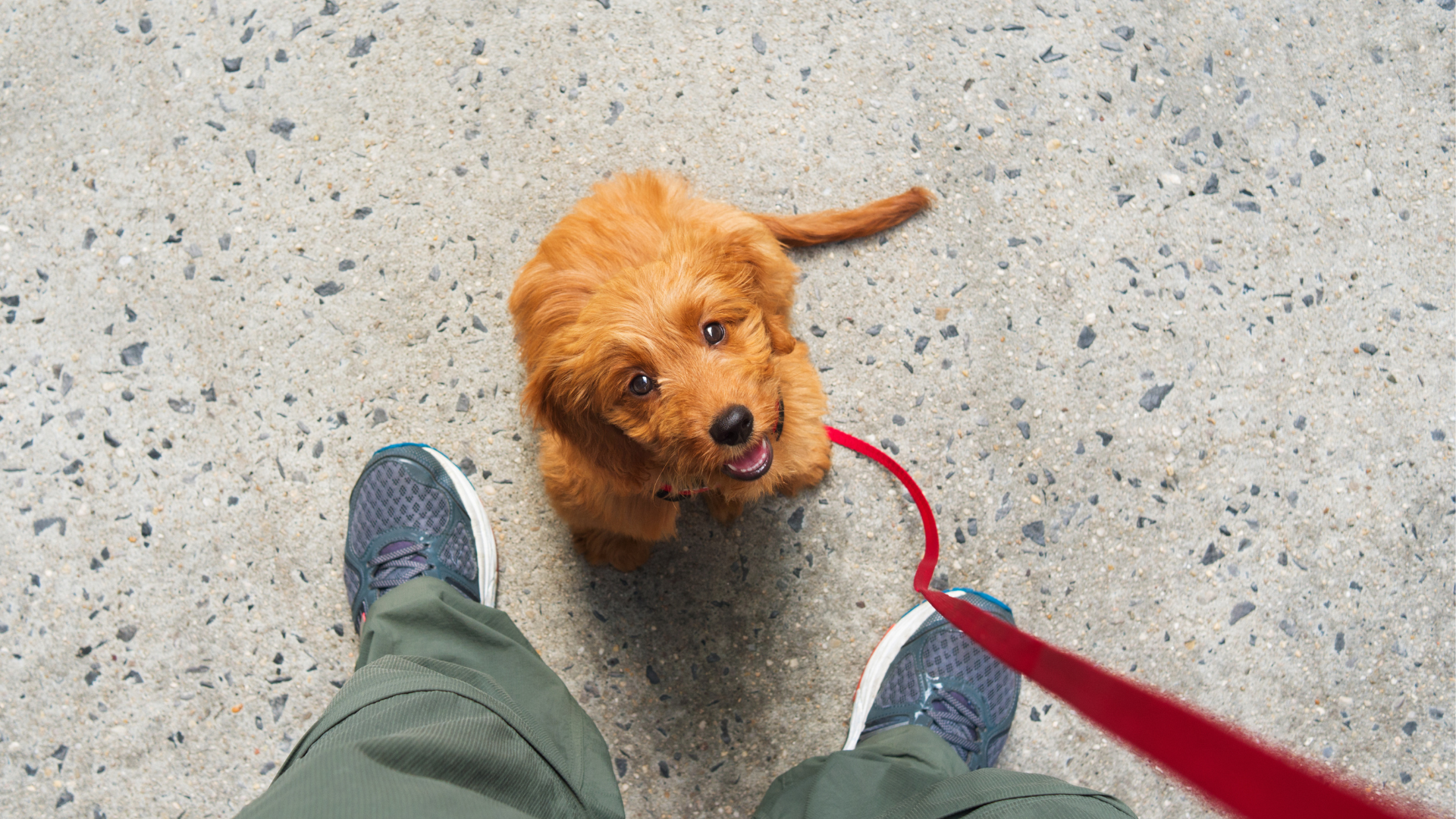
Solitary dogs are more common than you might think. There are lots of dogs that prefer the company of people (or only their dog siblings), and would prefer other dogs not come near them. This may be due to extreme fears or phobias, unpredictable environments, past negative experiences or trauma. But also, some dogs simply prefer the company of people – and that’s okay as long as we manage them carefully.
These dogs might try to hide from other dogs that approach, or might bark, lunge or growl at them on lead. When off lead, solitary dogs will avoid interactions rather than approach unfamiliar dogs (or they have learned the best defence is a good offence and will chase the other dogs away).
Solitary dogs need space – but the amount of space will differ depending on the environment and how the dog is feeling on the day. It is safest to keep solitary dogs on lead, in on lead spaces, or to explore large, empty off lead spaces where you can see who is coming from a distance. Solitary dogs may appreciate having a yellow bandana or jacket as a way to indicate they prefer to be left alone by other dogs (check out The Yellow Dog Project for more information).
Solitary dog behaviour is very uncommon in puppies under 6 months. If you have a young dog that is displaying these types of behaviours, perhaps invest in a consult with a qualified, experienced force-free trainer to help reduce their stress or fear around other dogs – this is not something they will likely grow out of, and it may get worse if not managed carefully.
These dogs are best suited to spaces with multiple exit points where you can observe who is coming and going easily. They are also well suited to large, open on lead spaces, empty dog parks or sniff spaces with at least 2 exits, large, open reserves (preferably on lead) with plenty of space to be able to move away from others, and the foreshore between 10am and 8pm during daylight savings time (where all dogs should be on lead).