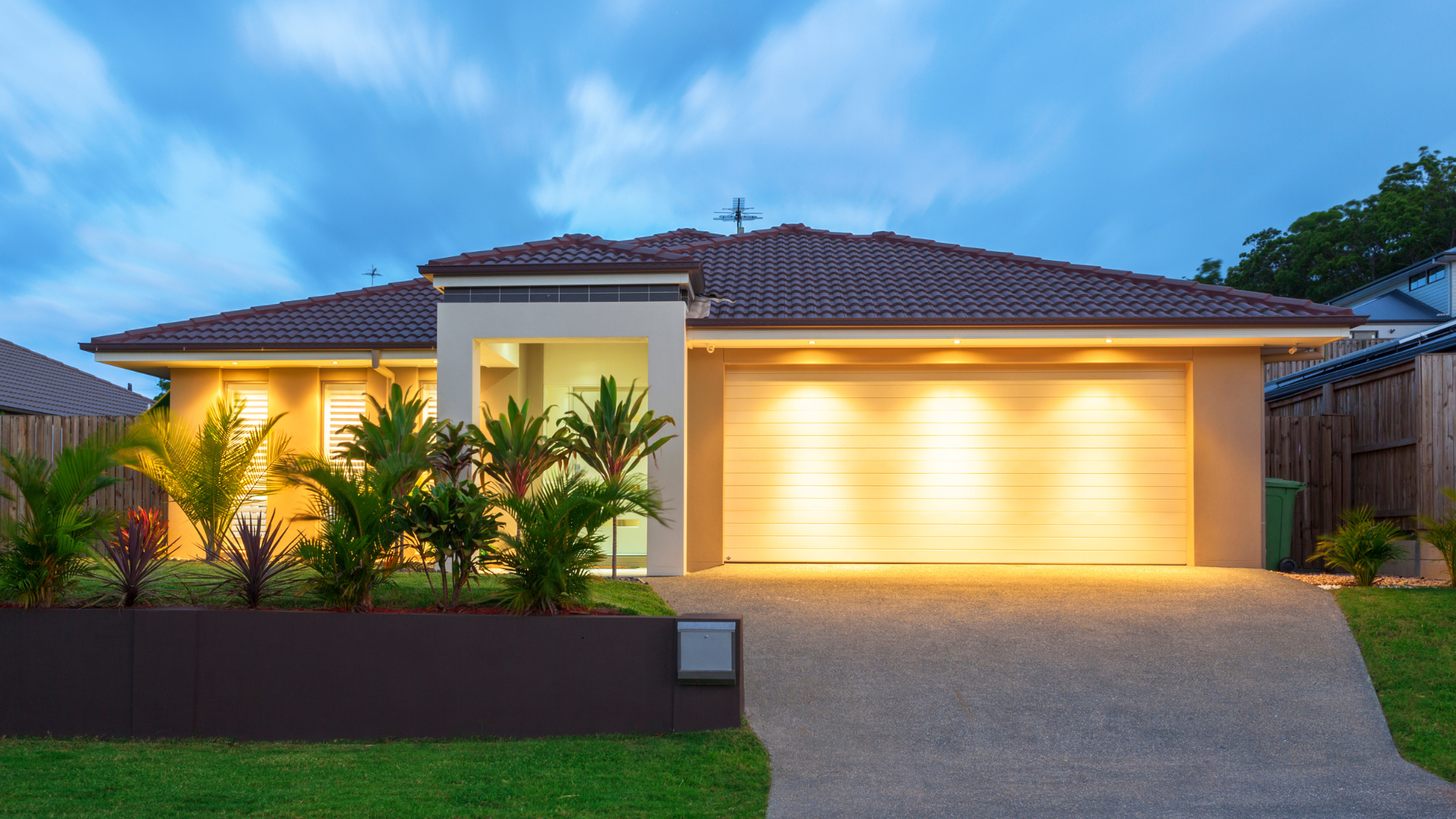
Many households in South Australia are concerned with rising energy prices and Australia’s greenhouse gas emissions per person are among the highest in the developed world. By using less energy and changing the way you use it, you can lower your energy bill costs and help to reduce Australia’s greenhouse gas emissions to help the environment.
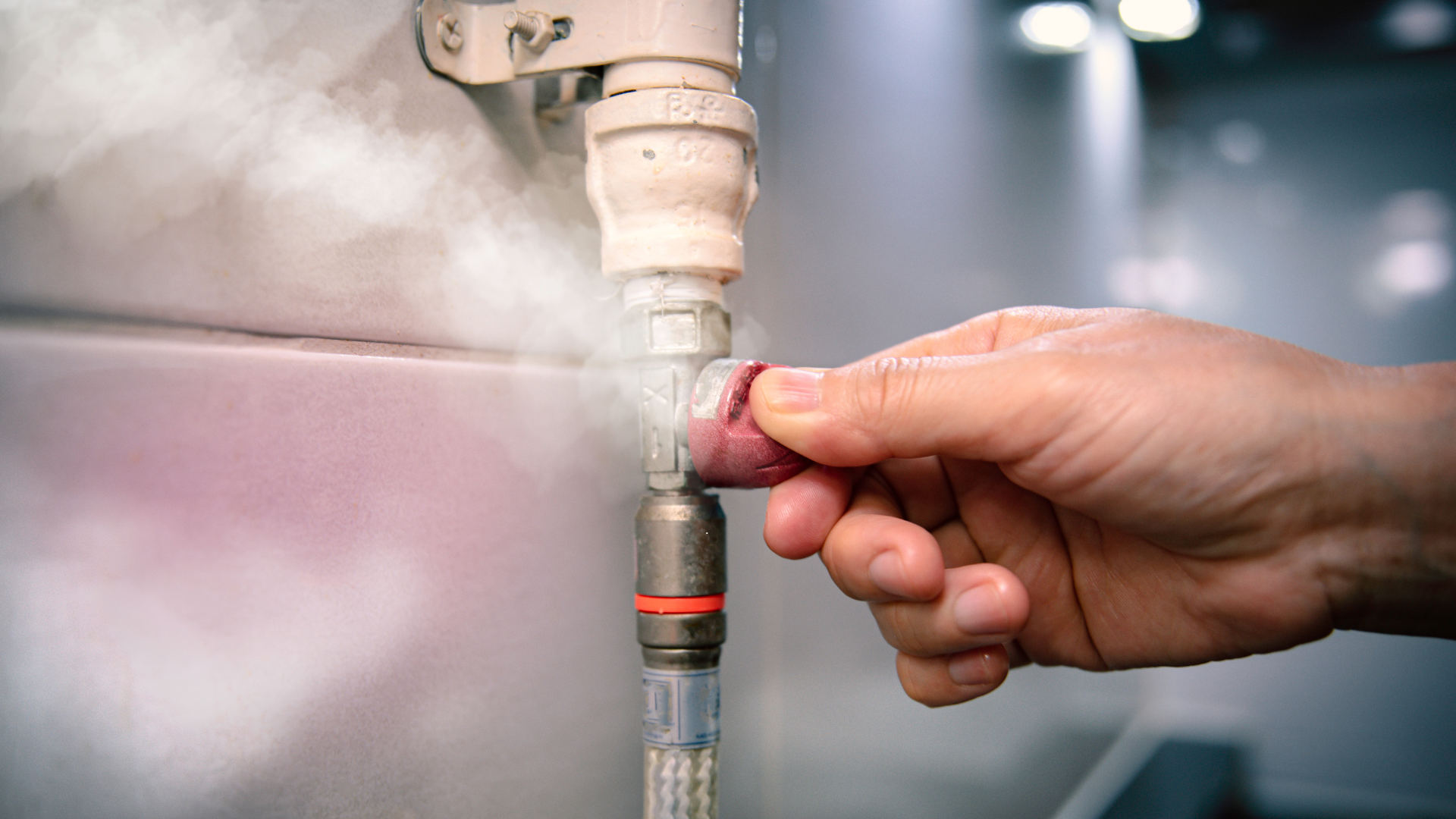
Getting off gas
South Australia is making the move to an all-electric future and here is how you can get on board and reduce your emissions and energy costs at home.
See how our community generates emissions.
The amount of energy used in a home depends on:
- The number of people in the home and how they use different appliances
- Whether the home uses electricity, gas or both
- The energy efficiency of the building and appliances
Gas makes up 21% of Charles Sturt’s total municipal emissions. However, when it comes to our homes, electric appliances are more efficient than gas and are cheaper to run. Heating a space with an efficient reverse-cycle air conditioner is found to be three times more efficient than using gas heating and can save up to $440 on your energy bill. Induction cooktops are more than twice as efficient as gas cooktops and heat-pump water heaters are generally four to five times more efficient than gas water heaters.
The most effective way to reduce gas use in households is through ‘electrification’ which involves the replacement of gas appliances with electric appliances. Electric appliances use less energy than gas appliances, which makes them cheaper to run.
Go electric
South Australia is making the switch to cleaner and safer energy future by using renewable energy sources and going all-electric!
Check out our Go Electric Action Plan.
When it comes to your household energy use, understanding your bills and where your energy is being used is necessary for finding out ways you can reduce costs.
This Guide to Low Carbon Households by Low Carbon Living is a fantastic resource that provides information on energy bills, energy use, reducing energy, heating, cooling and ventilation, water heating, appliances and lighting.
For a quick guide on reading and understanding your energy bills, have a look at this Energy Australia Bill Explainer.
Your energy bills are not itemised like a grocery receipt, so auditing and assessing your home energy use can be a great way to understand the main energy users in your home and how you can change your habits to save on bills.
Our Energy and Climate Change Assessment Grant program offers energy efficiency assessments to all residents. This includes a detailed report with cost-effective recommendations for reducing energy consumption, alleviating energy costs, and supporting the transition to a low-emission future. As well as raising awareness around known climate change risks at the household level (e.g. preparing for extreme heat).
The South Australian Government have a step by step guide to how you can audit your home energy use or you can look into borrowing a Home Energy Toolkit from your local library.
For more in depth information from energy experts on specific topics, these expert webinars from Renew and Adapt West are an easy and accessible at home option.