Creating safer local streets for everyone.
Lower speed limits on local streets can help create safer, more comfortable neighbourhoods for people walking, riding and driving.
A 40 km/h area speed limit currently applies in a number of suburbs across the City of Charles Sturt, with more areas being considered over time.
For any current community consultations, visit YourSay Charles Sturt.
What is a 40 km/h area?
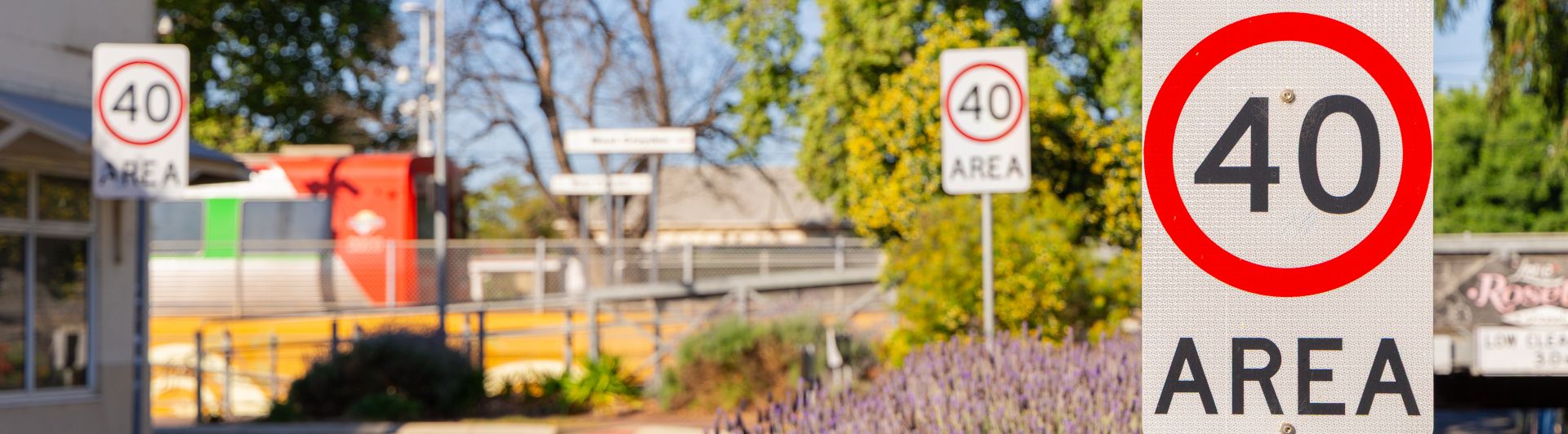
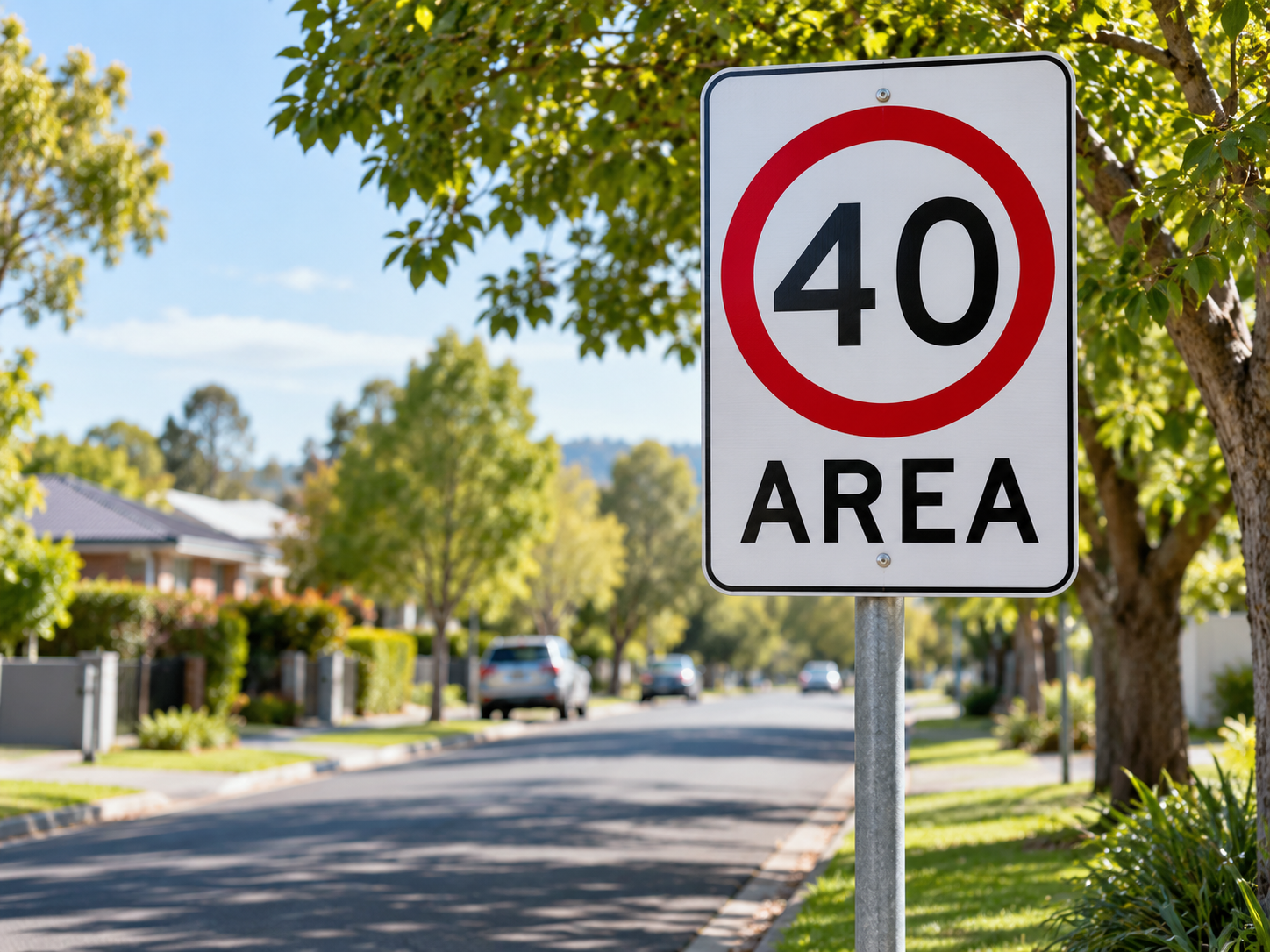
A 40 km/h area is a group of local streets where the speed limit has been reduced from the default 50 km/h to 40 km/h.
The lower speed limit generally applies to local neighbourhood streets rather than major roads.
Signs at the entry and exit points let drivers know when they are entering or leaving a 40 km/h area.
Why 40 km/h area?

FAQs
Lower speeds give drivers more time to react and can reduce the likelihood and severity of crashes. They can also make local streets feel safer and more comfortable for people walking and riding.
No. Council does not enforce speed limits and does not receive revenue from speeding fines. Speed enforcement is undertaken by South Australia Police.
Lower speed limits are intended to reduce risk before a serious crash occurs. Crashes can happen on any street, and lower speeds can reduce the severity of a crash if one does occur.
Even experienced drivers can make mistakes or encounter unexpected situations. Lower speeds give drivers more time to react and can help reduce the severity of a crash.
Lower speed limits are one way of improving safety across a broader area. Physical traffic calming measures may also be considered where needed, depending on the location and road environment.
Speed limits are enforced by South Australia Police.
There is no evidence that 40 km/h areas lead to increased road rage. Drivers are still expected to travel safely and according to the conditions and speed limit.
On local streets, the difference in travel time is generally small. Intersections, congestion, parking and stopping often have a greater impact on overall travel time.