
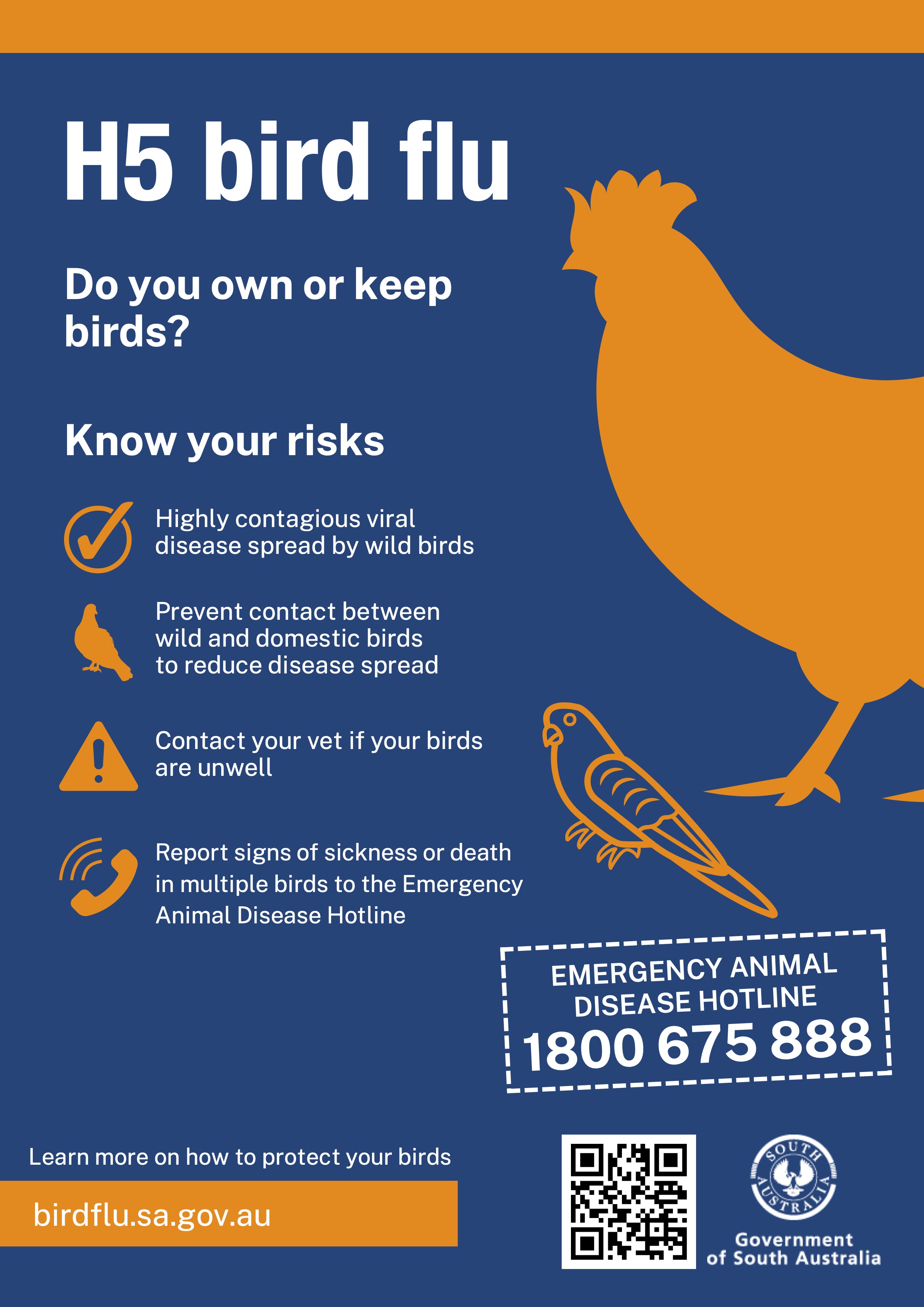
H5 bird flu (also known as high pathogenicity avian influenza H5N1) has recently been detected in South Australia.
Signs of H5 bird flu
H5 bird flu can be confused with many other diseases with similar symptoms. The infection can also vary in severity, with some animals appearing very sick and others showing no signs at all. Sometimes birds can die suddenly without warning.
Poultry (chickens, ducks, etc.)
- sudden drop in egg production
- lethargy or not eating/drinking
- swollen head or limbs
- bruising on comb, feet, or skin
- breathing issues or runny nose
- sudden death
When to report
Backyard poultry (50 birds or less)
- 2 or more sick or dead birds with or having had clinical signs including neurological, respiratory or generalised weakness
- 5 or more deaths in a short time (mass mortality)
For more information, please visit birdflu.sa.gov.au
Keep your chickens and birds happy and healthy with strong enclosures, well-managed litter and vermin control. Here are some handy hints and tips for keeping poultry in the City of Charles Sturt.
Read the guidelines for Building and Maintaining Poultry and Pigeon Enclosures for information on your obligations, limits on poultry and pigeons per property, structure requirements, litter management and pest control.
This information sheet is based on Council’s Domestic Livestock Management By-Law 2021 which contains specific requirements for the keeping of poultry and pigeons within the City of Charles Sturt. You can read Council’s By-Law Register.
It's important to care for the poultry litter to avoid odours. Bad smells can occur when litter is not regularly disposed of, kept wet, manure is allowed to accumulate, or kitchen scraps are thrown on top of the litter.
We encourage the deep litter method. It used properly, the poultry should always be on dry ground. This method allows droppings to quickly dry and form part of the litter. It avoids attracting nuisance flies to the area.
Starting the litter
Only use dry materials like straw, wood shavings or dry lawn clippings. Spread materials evenly at a depth of 150mm on the floor surface. After a few weeks, repeat the process. Continue until the litter is at a depth of 250mm.
Caring for the litter
It's important that the litter stays dry at all times. Keep the poultry's drinking trough outside of the shelter. You can cut a hole through the shelter wall to allow birds to drink without wetting their litter. You can rake and throw what under perches to encourage birds to scratch amongst the litter.
If you care for it correctly, this litter will last for up to a year. Around this time you should have a good supply of garden fertilizer. You can start a new litter with a small amount of the old litter.
You should immediately collect waste like seeds, feathers, dead birds and faecal matters. Put them in a plastic bag and dispose immediately into an approved receptacle or the rubbish bin. Make sure the bin has a tight lid to stop flies, vermin and pests.
You can use fly baits and paper inside the shelter out of the reach of birds. These are easy to find at hardware. Make sure you check and replace these frequently.
Rat bait can prevent vermin, but be cautious around children and other pets. Keep all feed in sealed air tight containers stored up high. Learn more about rat control.
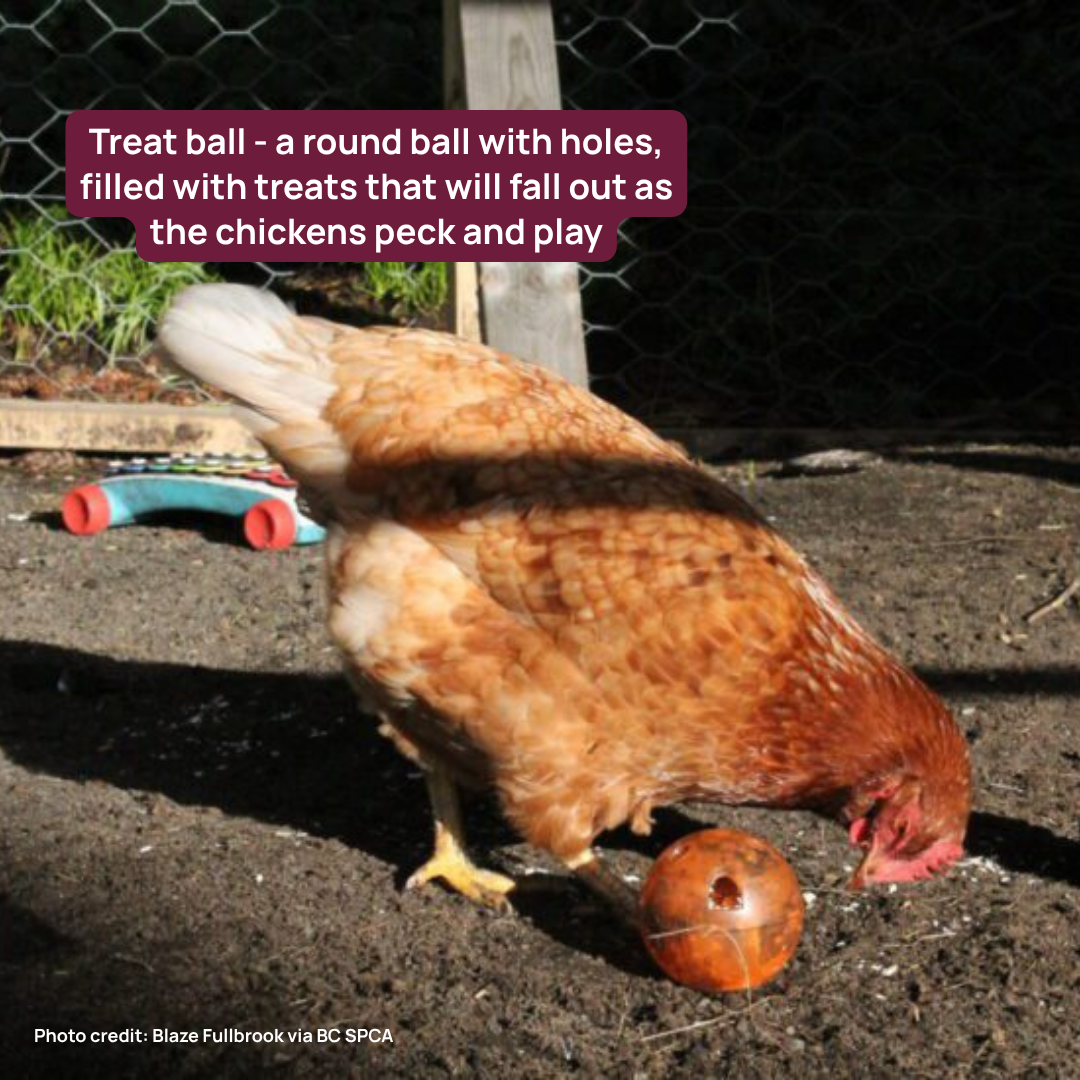
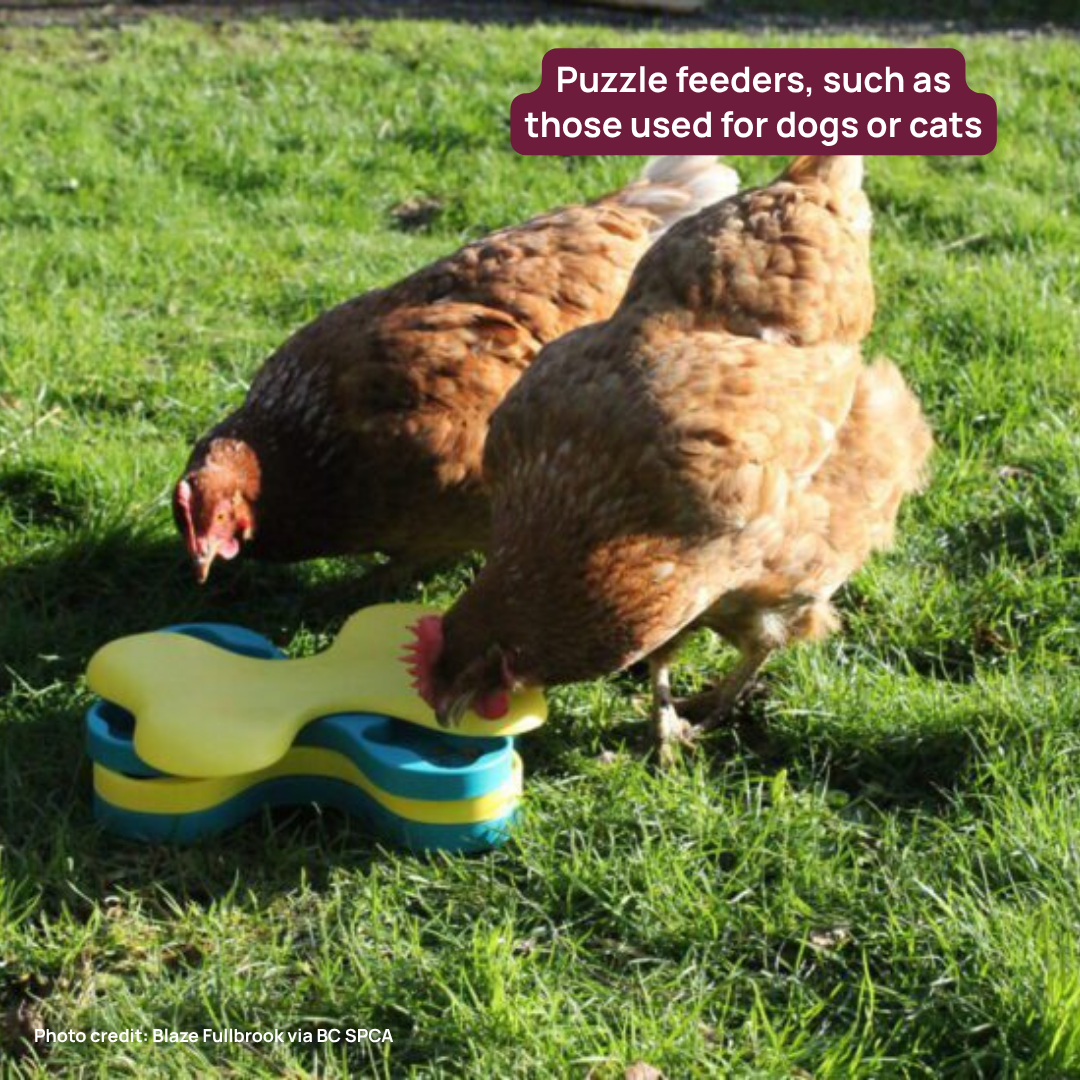
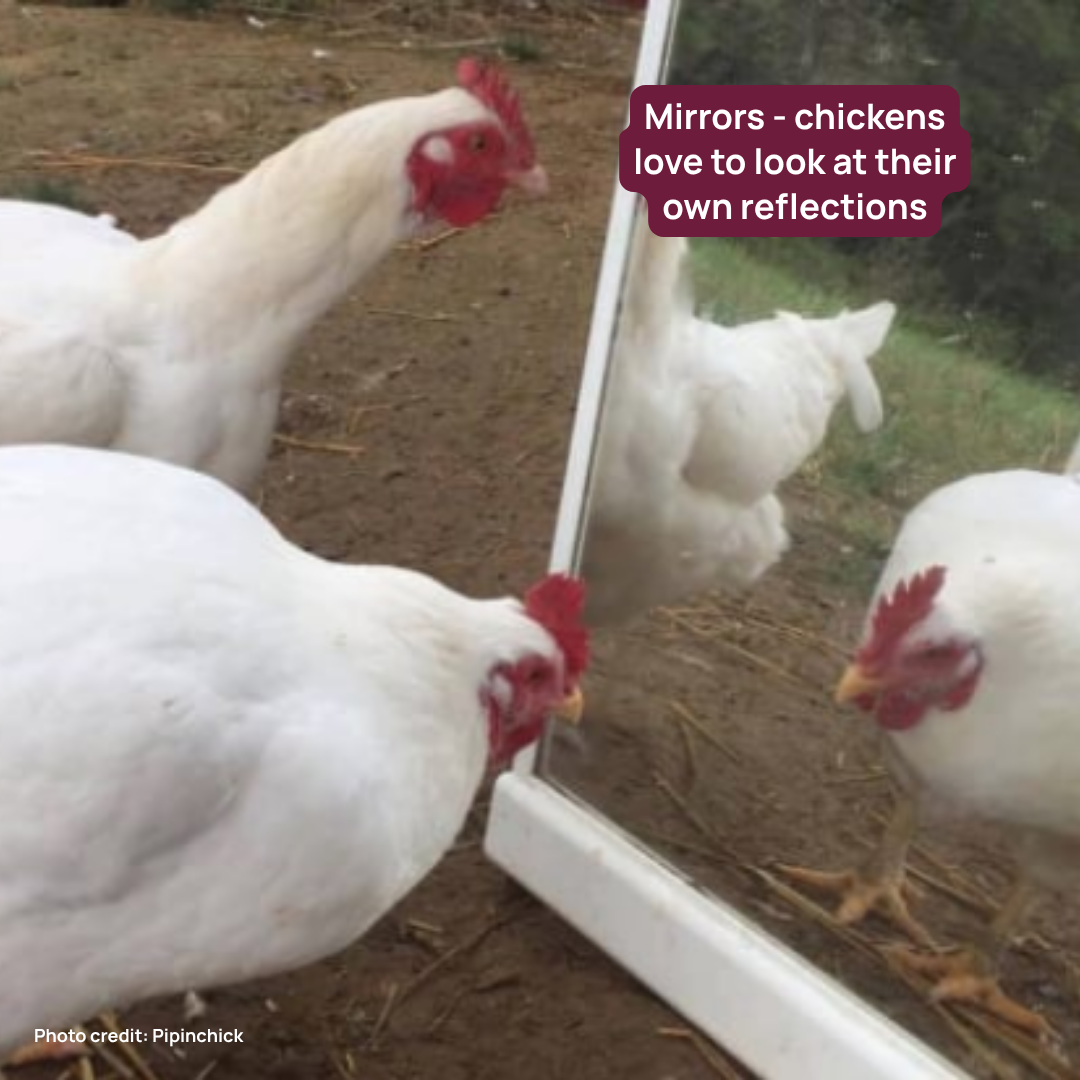
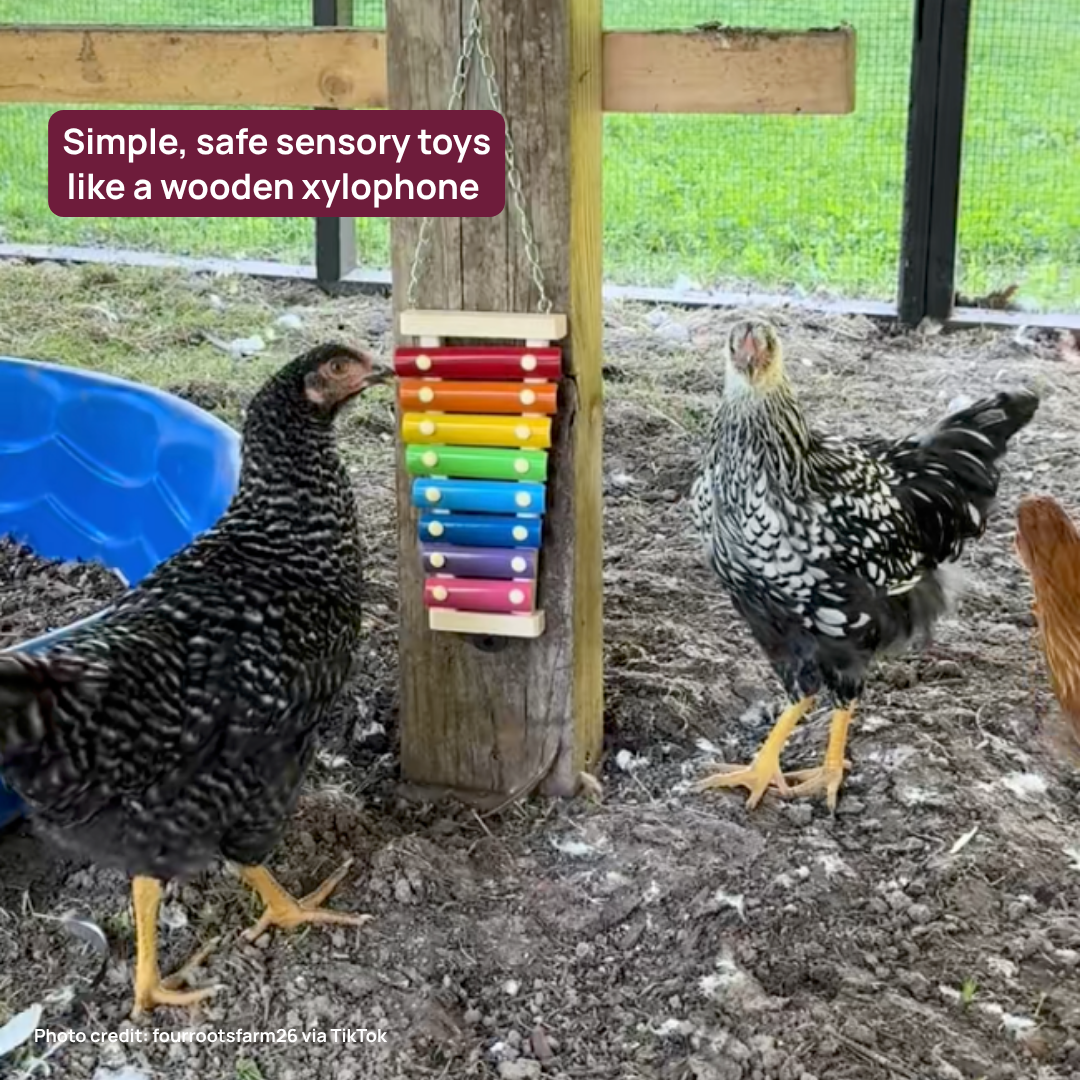
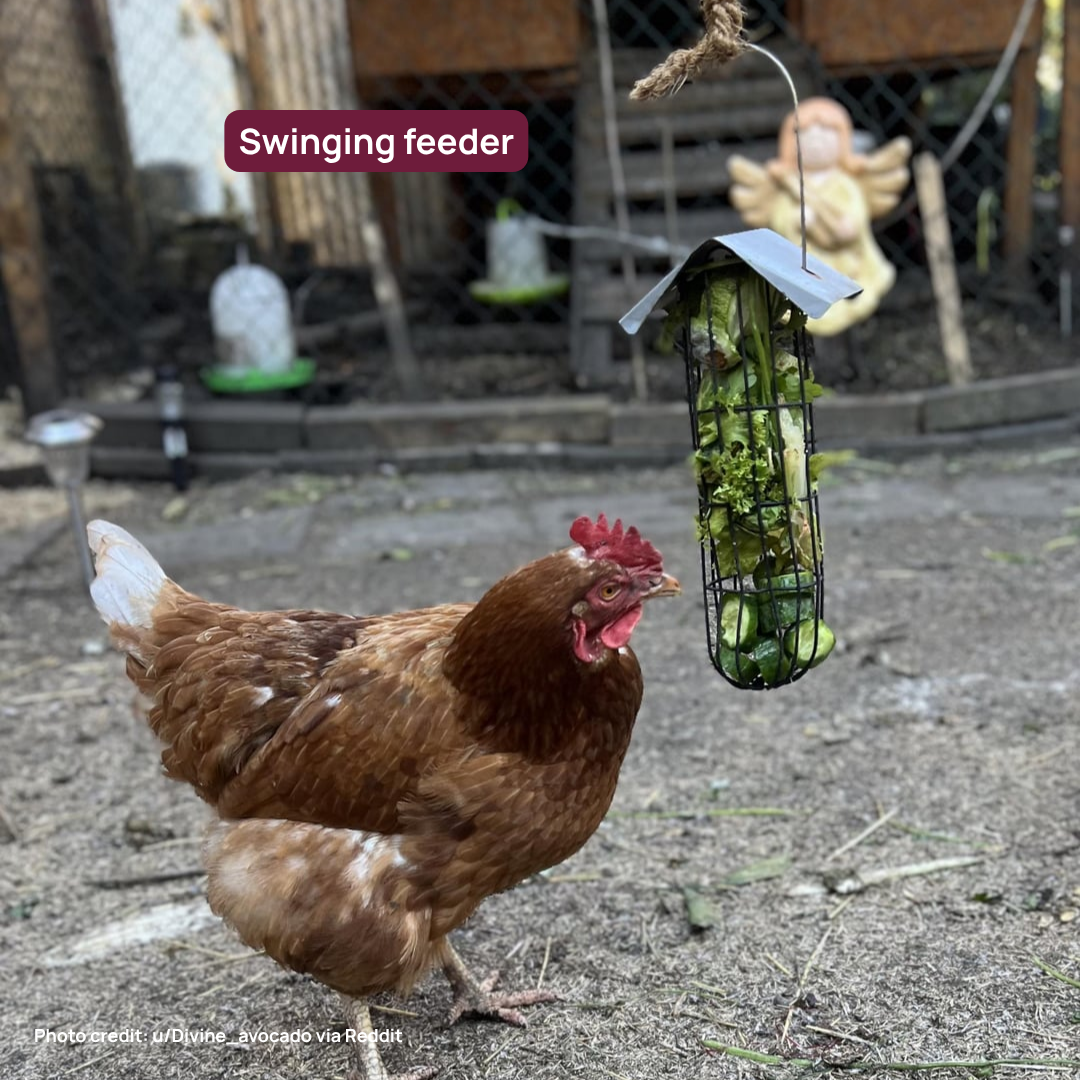
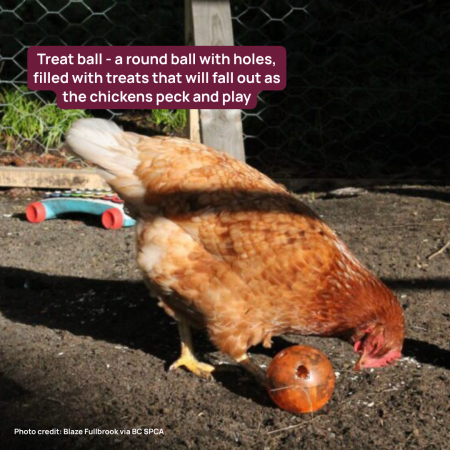
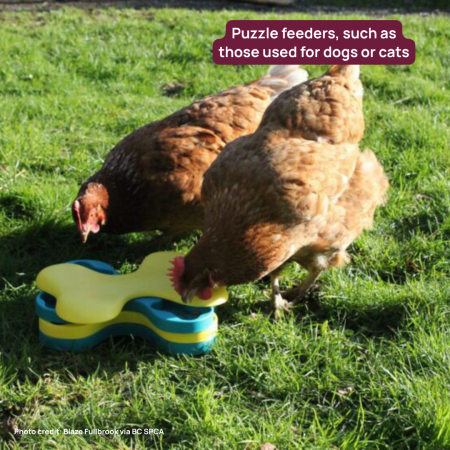
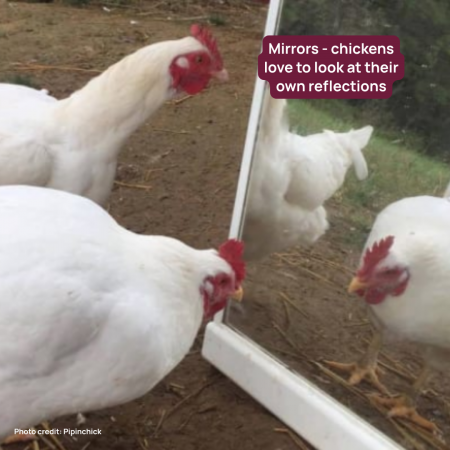
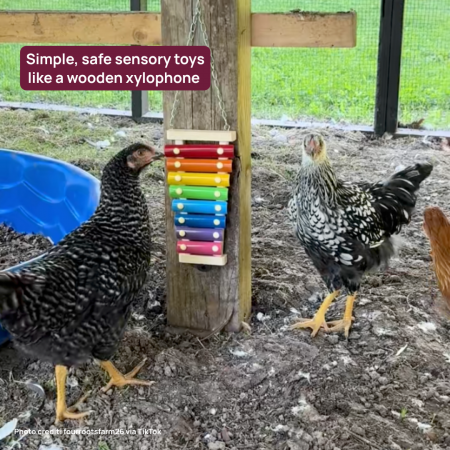
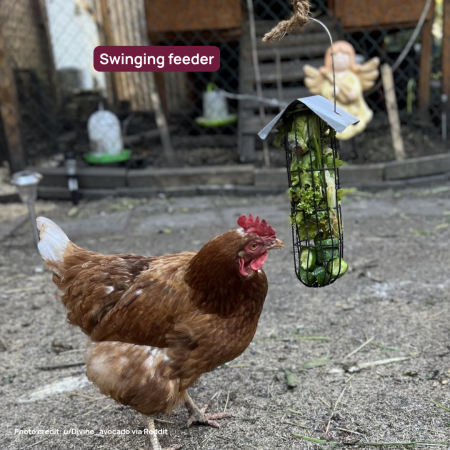
Chickens are incredibly smart and curious and love different types of enrichment.
Enrichment is critical for good mental health and overall wellbeing and can help reduce bullying and feather pecking. It provides them with physical and social opportunities to promote behaviour that is natural, valuable and specific to them – building positive experiences daily.
Layer chickens are very social animals, and so it’s best to have more than one (no roosters are required for egg production).
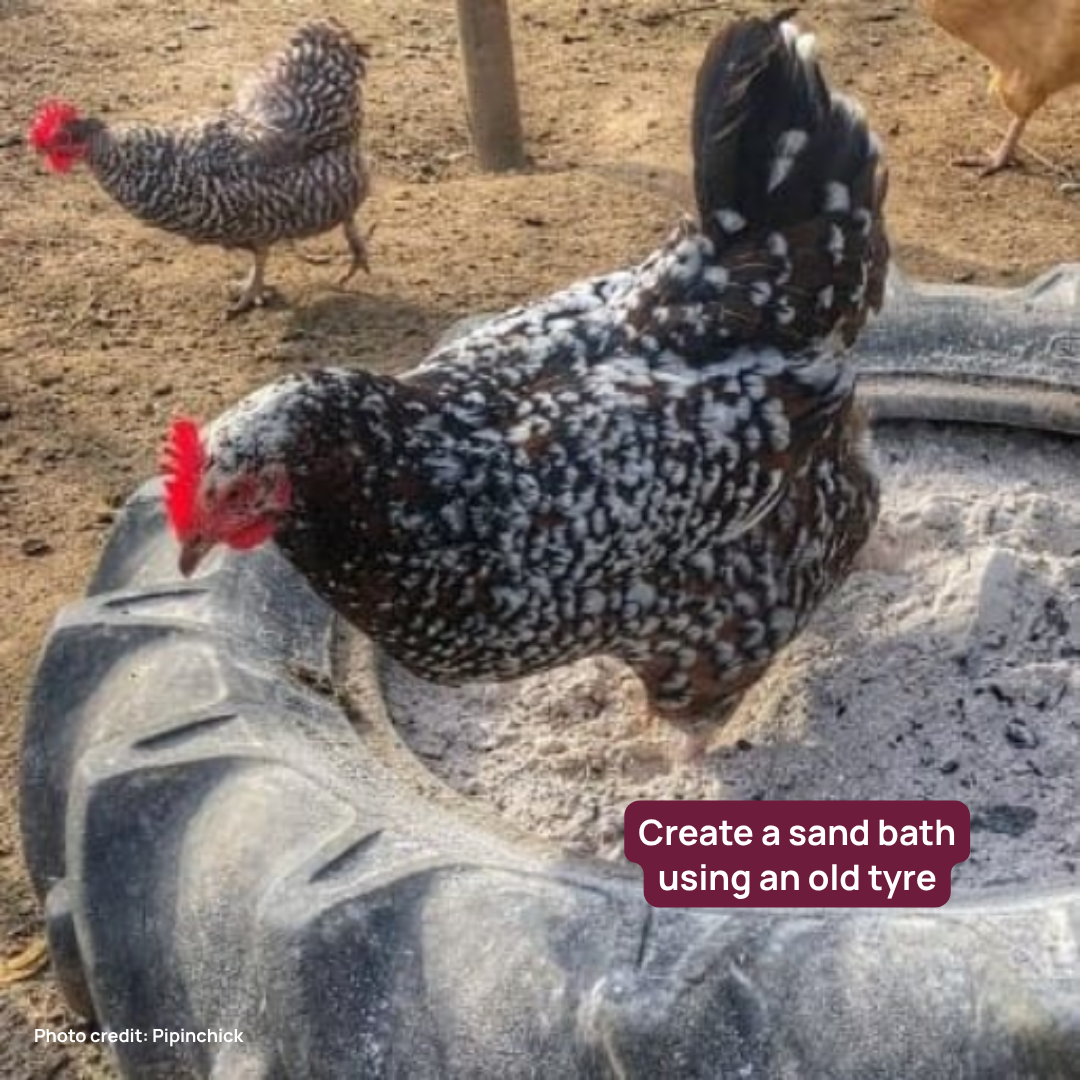
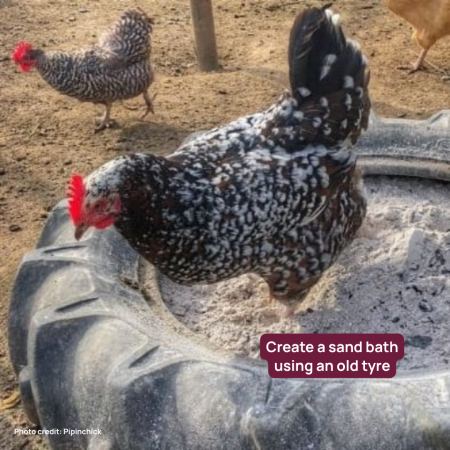
Chickens also love to dust bathe, and providing areas where they can do so safely is important to fulfil their needs
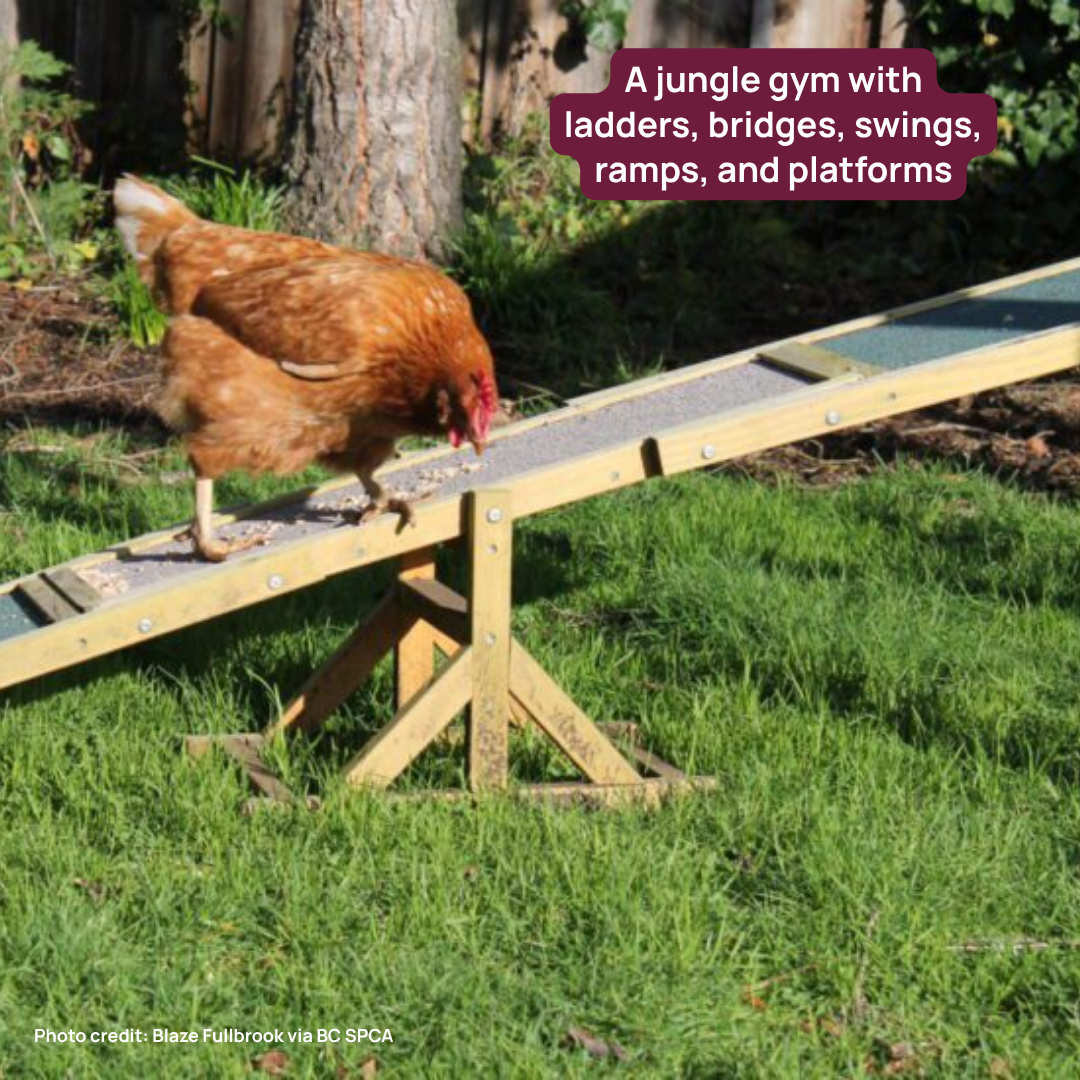
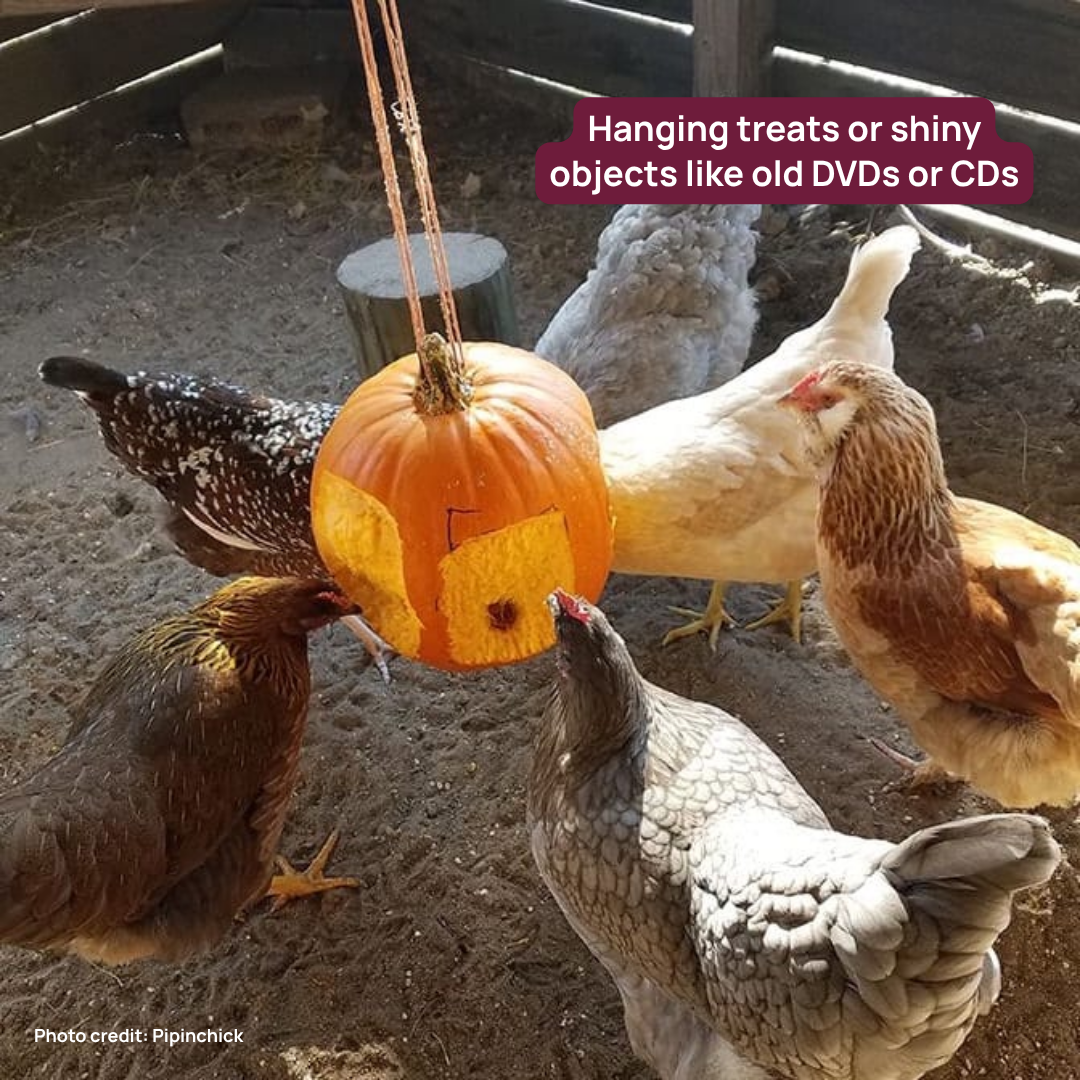
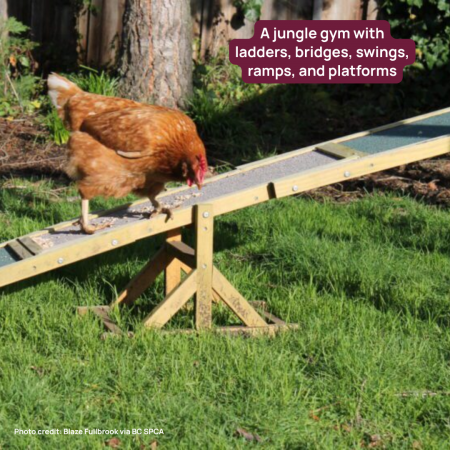
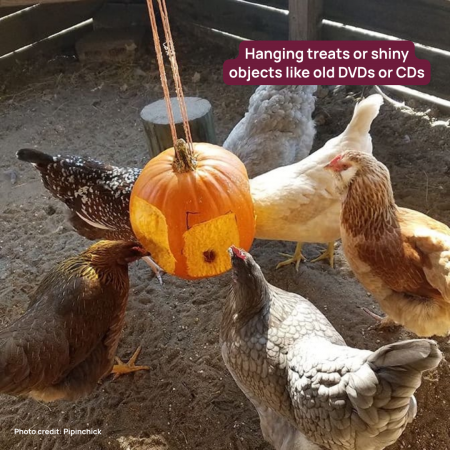
Enrichment options can include: offering treats, roaming the garden, hanging up fruit and vegetables for them to peck, interactive treat dispensers with fruit, vegetables or insects, perches, swings or pet bird toys.
Rotating enrichment items weekly can help them remain new and exciting for the birds
Check out the RSPCA for more information on keeping chickens healthy and happy:
How should I care for my backyard chickens? - RSPCA Knowledgebase
Essential tips to care for backyard chickens | RSPCA Australia
More information
Environmental Health Department
8408 1111